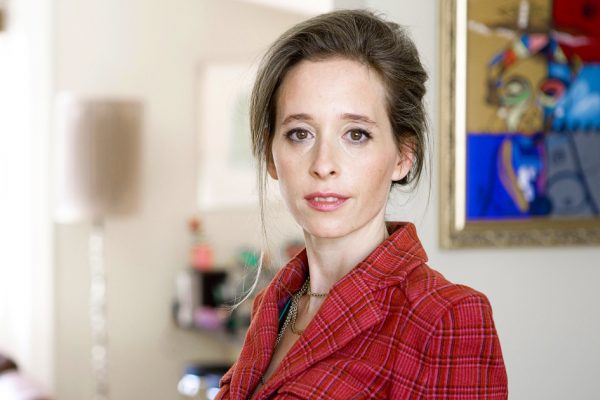
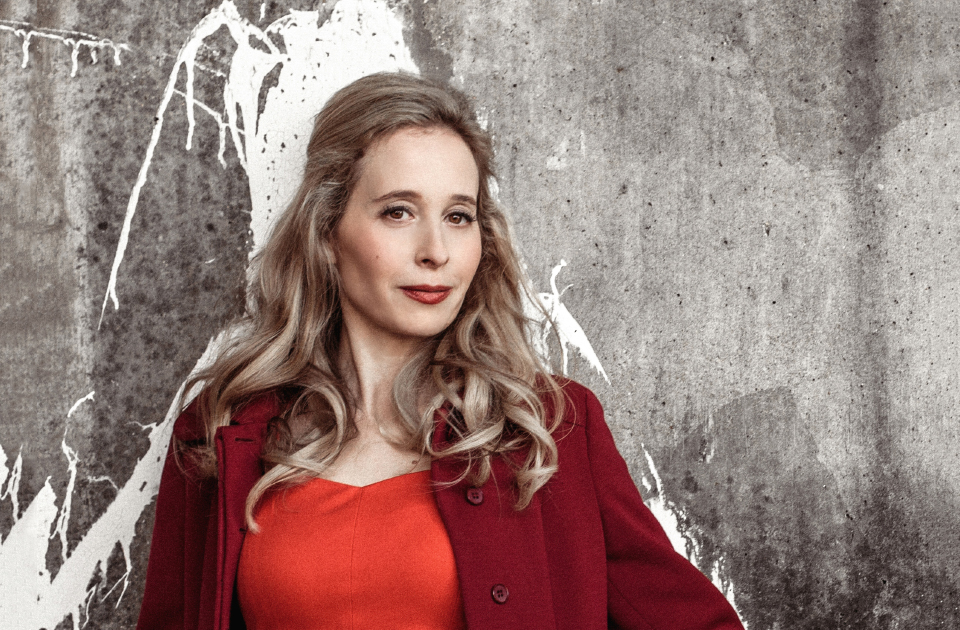
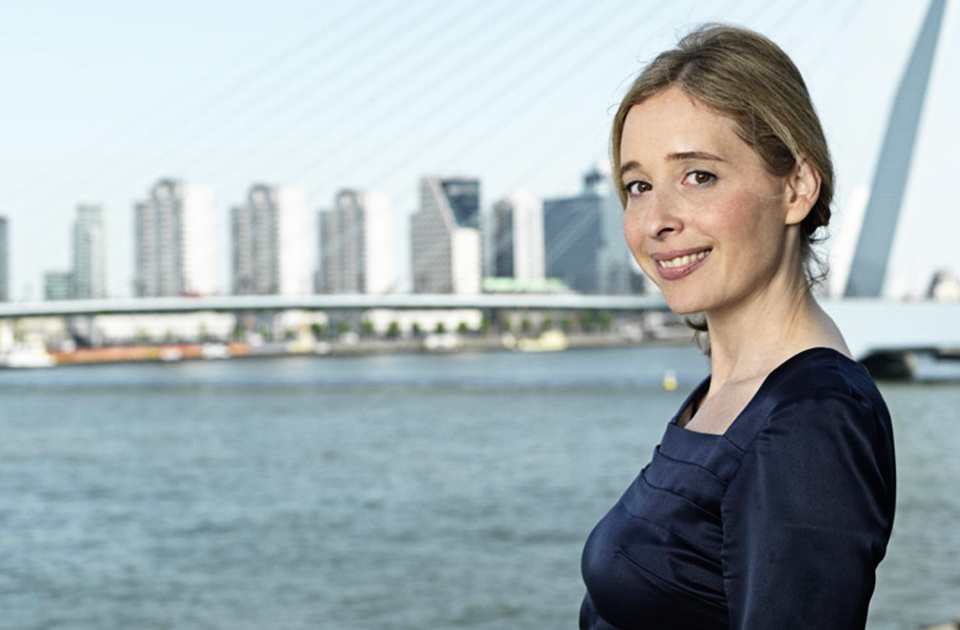
About Noreena Hertz


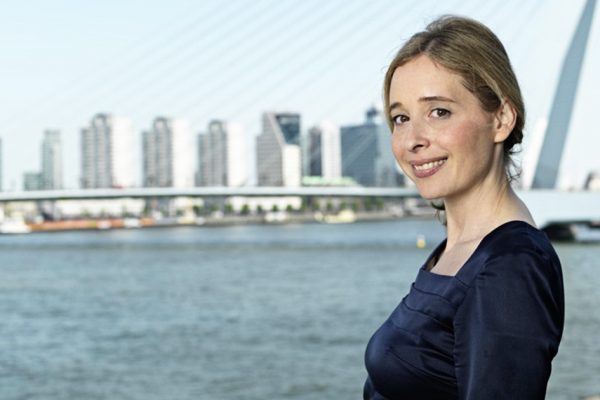
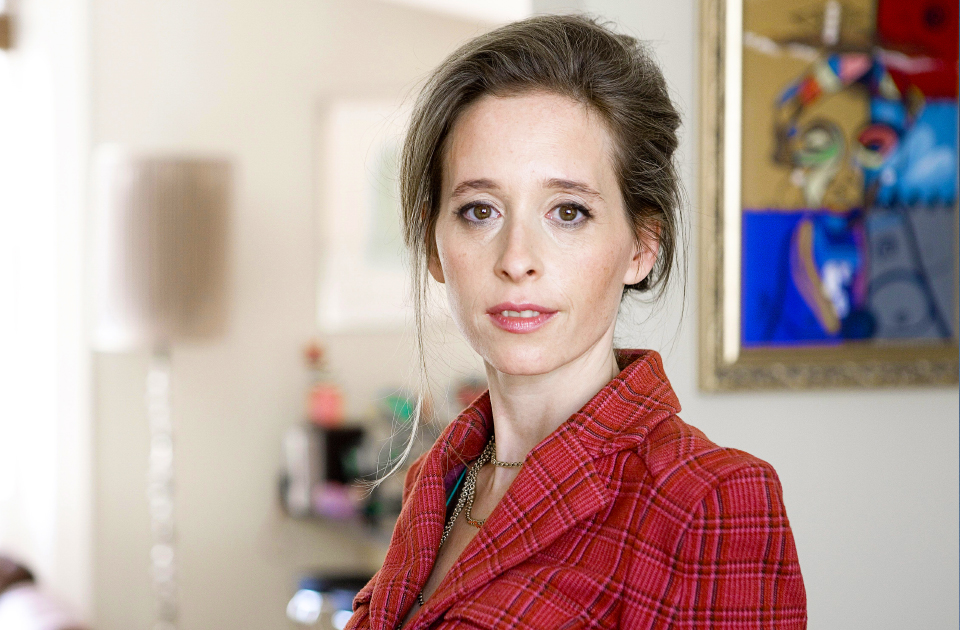
In a world defined by technological disruption, economic uncertainty and shifting social dynamics, few speakers are better equipped to explain what lies ahead than Noreena Hertz.
An economist, bestselling author and internationally recognised thought leader, Hertz has spent her career examining the forces shaping society, business and politics. Long before issues such as loneliness, generational change and the impact of technology became mainstream concerns, she was exploring their implications for organisations and leaders around the world.
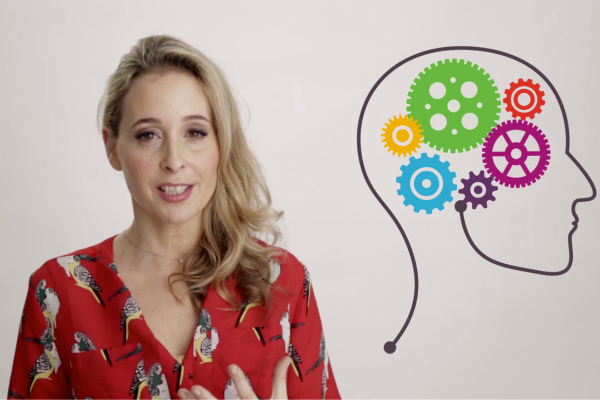
Today, her work focuses increasingly on one of the defining issues of our age: artificial intelligence. Through her research, writing and advisory work, she examines how AI is transforming the workplace, influencing human decision-making and reshaping economies and societies. Her ability to connect technological change with broader social and economic trends has made her a trusted adviser to senior executives, policymakers and global organisations.
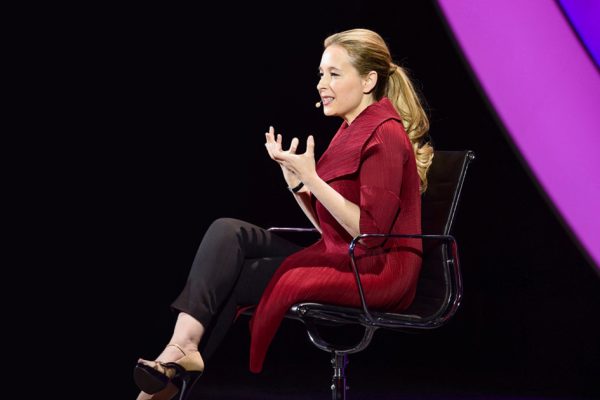
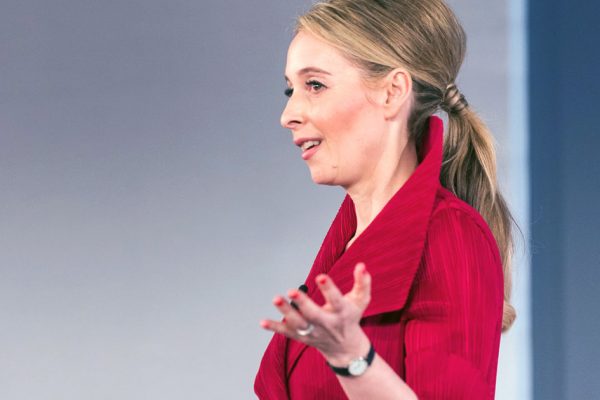
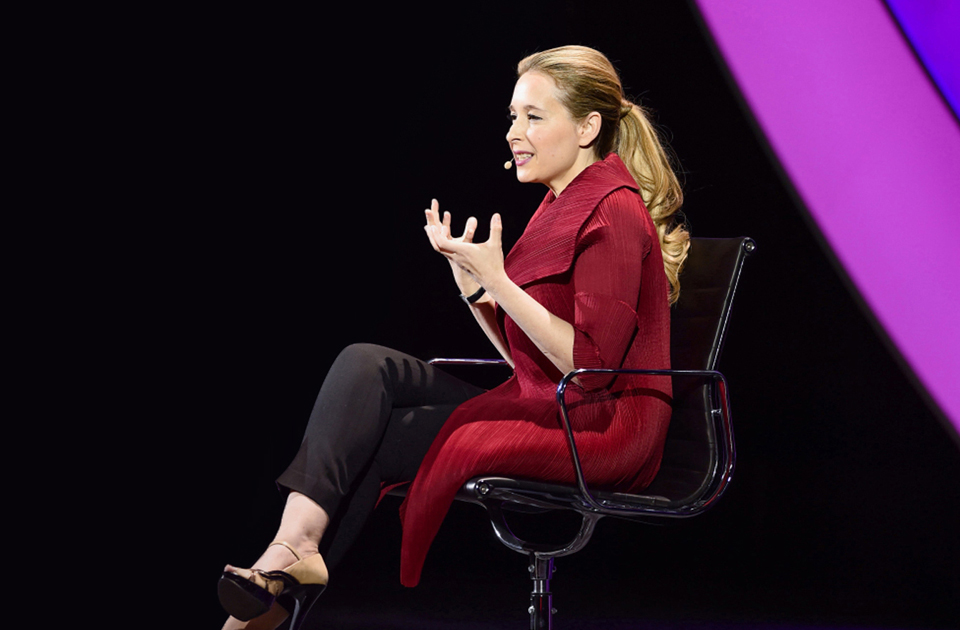
Her influence extends far beyond academia. Hertz serves on the boards of Mattel, Warner Music Group and Workhuman, advises leading business and political figures, and has spoken at some of the world’s most influential events, including TED, the World Economic Forum in Davos and Google Zeitgeist. Along the way, she has shared stages with figures such as Bill Clinton, Stephen Hawking and Jane Goodall.
What sets Hertz apart as a keynote speaker is her ability to identify the connections others miss. Drawing together economics, technology, politics and human behaviour, she helps audiences understand not only what is changing, but why it matters and how they can prepare for what comes next.

How AI is reshaping workplaces, leadership and decision-making. Discover the opportunities and challenges organisations must navigate to stay ahead.
A clear analysis of the economic forces shaping business and investment decisions. Gain practical insights into the trends driving the global economy.
Understanding the political and economic shifts transforming the global landscape. Learn how leaders can manage uncertainty and build resilience.
How organisations can embrace technological change and drive sustainable growth. Explore strategies for turning disruption into competitive advantage.
The leadership skills required to thrive in a rapidly changing world. Learn how to lead with confidence through uncertainty and change.
Why making effective decisions is harder than ever and how to improve them. Practical insights for navigating complexity and reducing risk.
Why trust, belonging and human connection matter more than ever. Discover how organisations can build stronger cultures and communities.
How younger generations are reshaping workplaces, brands and consumer expectations. Understand the trends influencing the workforce and customers of the future.
Assuming that Brexit will go ahead the consensus amongst economists is that it’s likely to come at a cost. How big a cost remains a question given how radically uncertain the environment is. Key factors that will affect this include the outcome of the UK General Election, the outcome of the French and German elections, what happens to the pound, what kind of post Brexit trade deals the UK manages to strike, how the financial services sector is affected and the ultimate position of the UK government on migration. All of these are impossible right now to predict with certainty.
Take the pound. Whilst it fell markedly after the Referendum vote it now looks likely to strengthen over coming weeks given that the calling of a General Election is viewed positively by currency traders who see it as massively increasing the odds of a “softer” Brexit. But will it continue to rise? Not necessarily. It’s important to remember that the kind of Brexit the UK ends up with is not Theresa May’s gift. So any rumbling, grumbling or hardball posturing from Brussels, EU ministers, or negotiators over coming weeks and months is still likely to affect the pound. Rumblings and grumblings within the Conservative party will also have an impact. Then of course there’s the Euro and Dollar – neither of which have certain trajectories right now – each of which affect the value of sterling.
There are two main strands to this – political risk and technological disruption.
Can you think back to a time in recent history in which politics globally has been so unpredictable?
In Europe a number of elections loom – France, the UK, Germany – the results of which are at this time simply impossible to call with certainty but whose outcomes could affect the very future of Europe itself. The unknowns around Brexit are many – we’ve already discussed some of these. When it comes to the US it’s very unclear how a Trump presidency will play out domestically. Whilst profound reform of the tax code and a massive programme of de-regulation have been proposed, it’s not certain which of his policies Trump will be able to get through Congress. And will he even last the course? Bookmakers are currently offering odds of 1/1 that the President will either resign or be impeached before the end of his term.
Geopolitical risk is particularly elevated. Rhetoric between the US and Russia is currently redolent of the Cold War Era. But back then there was a code of behavior that was adhered to. Today, absent such norms, how this tension will manifest is far from clear. More generally Putin’s agenda of destabilization and use of non-conventional weapons such as cyber-attacks creates a new level of instability. And then of course there’s the mounting tension between North Korea and the US, the increasing authoritarianism of Erdogan in Turkey, the rise in a number of European countries of separatist movements, another looming Greek debt crisis and the preponderance of lone wolf type terrorist attacks in Western cities.
With regards to technology – this is guaranteed to continue its disruptive course. From augmented reality to artificial intelligence, from the power of 5G to the “internet of us”, from self-driving cars to delivery drones – if you thought the past decade was disruptive, you ain’t seen nothing yet….I have served on the boards of two businesses – Warner Music Group and RWE – that have been radically disrupted by technology and understand all too well the strategies companies need to adopt in order to triumph at such times.
To be clear I’m not a Luddite by any means and am excited about the many gains that technological advances will deliver. But when it comes to the impact of AI on jobs I am concerned.
There is of course an optimistic scenario before us – one in which advances in artificial intelligence lead to machine and man uniting to share tasks and help each other.
Man and machine working side by side on the production line; machine aiding man to be more productive, more efficient, faster…smarter. A win-win scenario in which we all benefit from technology’s advances.
Under this scenario man is freed from boring process driven tasks so that he or she can create, innovate, think, engage. This is the future in which oncologists no longer have to spend hours interrogating scans or blood test results as they have handed that over to Artificial Intelligence which can do it better and faster – leaving them with time to do new medical research and counsel their patients. A future in which nurses no longer have to bathe or lift patients, freeing up their time to hold patients’ hands and provide emotional care.
But I fear that this is the romantic view of the future. For whilst AI will serve man to some extent for sure, to a considerable degree I believe we are heading towards a future in which machine replaces man. I’m not just talking blue collar jobs, it’s clear that white collar jobs are also going to be in the firing line – bookkeepers, paralegals, insurance claim assessors, surveyors, even authors. We’re already seeing these kinds of jobs being taken by robots and AI. A large insurance company recently fired a team of loss assessors – computers could make these assessments more accurately and faster. The novel “The Day a Computer Writes a Novel” recently made the short list in a Japanese literary competition. It was written by…a computer.
A future in which machine replaces man will of course deliver vast cost savings for companies. But under this scenario who among us is safe from being replaced by a robot becomes a real and pressing question. As does how unemployed man have money to consume. And what unemployed man will choose to do. Bored, angry, poor and educated is a very worrying combination with significant societal and political implications.
In part this is about placing your bets widely. What disruptive businesses can you take stakes in or partner with so that you benefit from a wider range of potential future revenue streams? How can you experiment effectively internally so that when the world changes you are ready to change with it? How can you effectively hedge so that downside risks are better mitigated?
In part this is about building an organization fit for this new Age of Radical Uncertainty – an organization that is built to problem solve and innovate. There is a host of research that shows that teams characterized by diversity – made up with people of different genders, ethnicity, ages, skills – outperform those that are more homogeneous when it comes to innovation, decision-making and problem solving. If your management team is made up only of people who look like you – you have a problem.
But this is also about having the right corporate culture. This is partly a culture that welcomes divergent points of view – at the Federal Reserve employees are rewarded for airing different points of view – but also one that knows how to manage dissent. Jeff Bezos the CEO of Amazon has talked about the importance of a strategy of ‘disagree and commit” i.e. one of seeking out different views, considering them, but then forging a strategy fast. In a world as fast moving as ours speed is of the essence.
Finally this is about preparing effectively for your next generation of customers and employees, a generation I call “Generation K” – today’s 15 to 22 year olds. Businesses have paid a lot of attention to millennials, today’s 23 to 35 year olds yet know very little about the characteristics of the generation that follows them. I have been researching Generation K for the past three years and what is clear is that they’re profoundly different to ‘millennials’. This first smartphone generation has not only been forged by technology but also by the global financial crisis and a world of growing existential threat. They are extremely distrustful of big corporations, surprisingly privacy conscious, massively concerned about inequality and don’t want to passively consume or work. Generation K demands speed and autonomy but also craves security and human interaction. It wants to co-create and imprint its own stamp.
Really understanding Generation K and how to attract, retain, engage and deploy them is critical if you are to successfully future-proof your business.
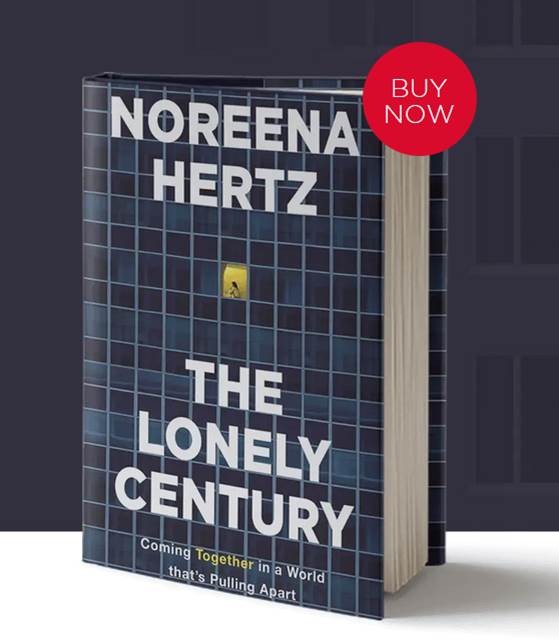
It’s time to reconnect
Even before a global pandemic introduced us to terms like social distancing, loneliness was becoming the defining condition of the twenty-first century. But it’s also one we have the power to reverse.
Even before a global pandemic introduced us to terms like social distancing, loneliness was already becoming the defining condition of the twenty-first century. But it’s also one we have the power to reverse.
Combining a decade of research with first-hand reporting, Noreena Hertz takes us from a ‘how to communicate in real life’ class for smartphone-addicted university students to bouncy castles at Belgian far-right gatherings, from paying for cuddles in the U.S. to nursing home residents knitting bonnets for their robot caregivers in Japan.
The Lonely Century explores how our increasing dependence on technology, radical changes to the workplace and decades of policies that have placed self-interest above the collective good are damaging our communities and making us more isolated than ever before.
With bold solutions for us as individuals as well as for businesses and governments, Noreena Hertz offers a hopeful and empowering vision for how to heal our fractured world and come together again.
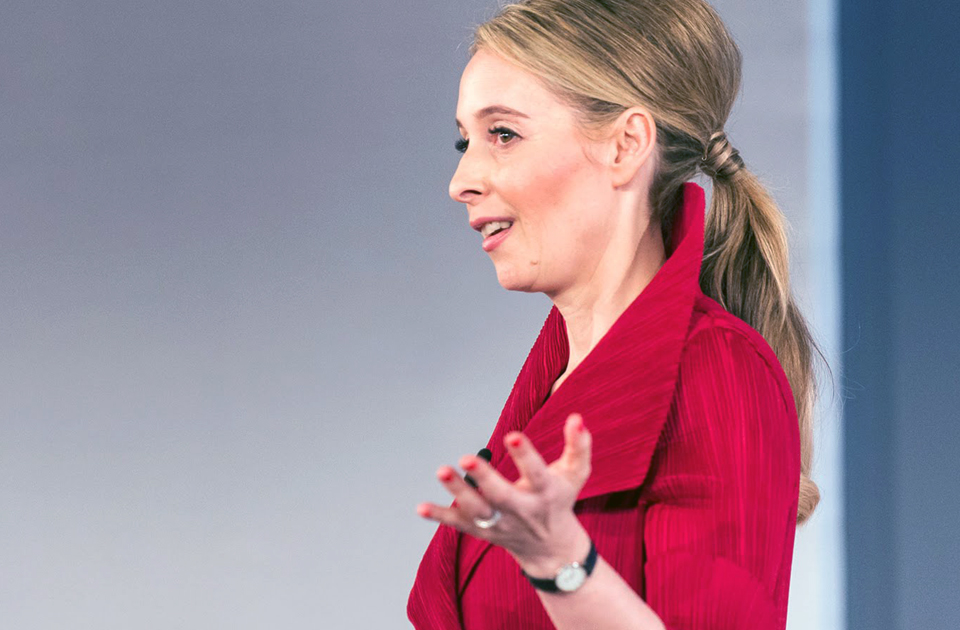
Noreena Hertz is available for keynote speeches, executive forums, leadership summits, conferences, moderated discussions and bespoke client events worldwide.
Drawing on her expertise in economics, artificial intelligence, geopolitics, technology and demographic change, as well as her experience advising global leaders and serving on the boards of major international companies, Noreena delivers highly tailored presentations that help audiences understand the forces shaping the future. Her keynotes combine deep analysis of global trends, risks and opportunities with practical strategies for making smarter decisions in an increasingly complex world.
In addition to keynote speaking, Noreena is a highly experienced moderator, having led discussions at the World Economic Forum in Davos and numerous high-profile corporate events. Known for her intellectual rigour, warmth and engaging style, she creates dynamic conversations that bring out the very best from speakers and panellists.
A respected broadcaster and commentator, Noreena is also regularly featured on leading international television and radio programmes, making her a compelling choice for interviews, fireside chats and thought leadership events.
To enquire about Noreena’s availability, speaking fees or event requirements, please contact Dagmar O’Toole on +44 1628 601 462 or send an email to dagmar@speakers.co.uk.
— Noreena Hertz
— Global Food Retailer
— Global Financial Institution